
Appreciating Permeable Paver’s Benefits and Effects
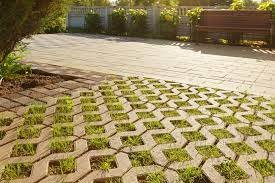
For cities with tight standards on impervious surfaces, permeable paver are a fantastic answer. They help the environment as well as look good. Our blog, "Understanding Permeable Pavers: Benefits and Impacts," looks at the several varieties, uses, and advantages of permeable paver.
Define Permeable Pavers
Sustainable building materials typically used for paving are permeable pavers. Their original design lets rainwater and other precipitation pass through to the soil under or a specifically constructed sub-base. This filters pollutants from the water, manages stormwater runoff, helps restore groundwater, and lessens flooding.
What Advantages Permeable Pavers Offer?
Water Management For Storms
By absorbing water, pavers help to lower surface runoff and so prevent flooding. Their slow down of water flow helps to stop soil erosion as well.
By filtering pollutants, sediments, and toxins, the layers under pavers help to improve water quality and generate cleaner ground-water.
By letting water trickle into the ground, these pavers replenish nearby aquifers and offer a sustainable water source.
Adaptable Design
With their many patterns, styles, and materials, pavers may accentuate any architectural or landscape style.
With a lifetime commensurate with conventional paving materials, they are robust and can withstand heavy traffic.
Although regular cleaning preserves permeability, they usually demand less care than traditional pavement techniques.
Enhanced Protection From Safety
Quick water absorption of permeable surfaces helps to minimize puddles and hydroplaning hazards.
In colder climates, they let water to drain effectively, therefore reducing ice development.
Monetary gains
By minimizing the requirement for conventional stormwater management solutions, pavers help to cut long-term expenses.
Some areas offer rebates, tax credits, or reduced fees for properties with sustainable infrastructure, which can offset installation costs.
How Long Do Permeable Pavers Last?
When properly installed and maintained, pavers can last up to 30 years or more. Factors like materials, installation quality, climate, usage, and maintenance practices affect their lifespan. Regular cleaning to prevent clogging helps ensure they remain effective for stormwater management.
What’s the Difference Between Permeable Pavers and Concrete Pavers?
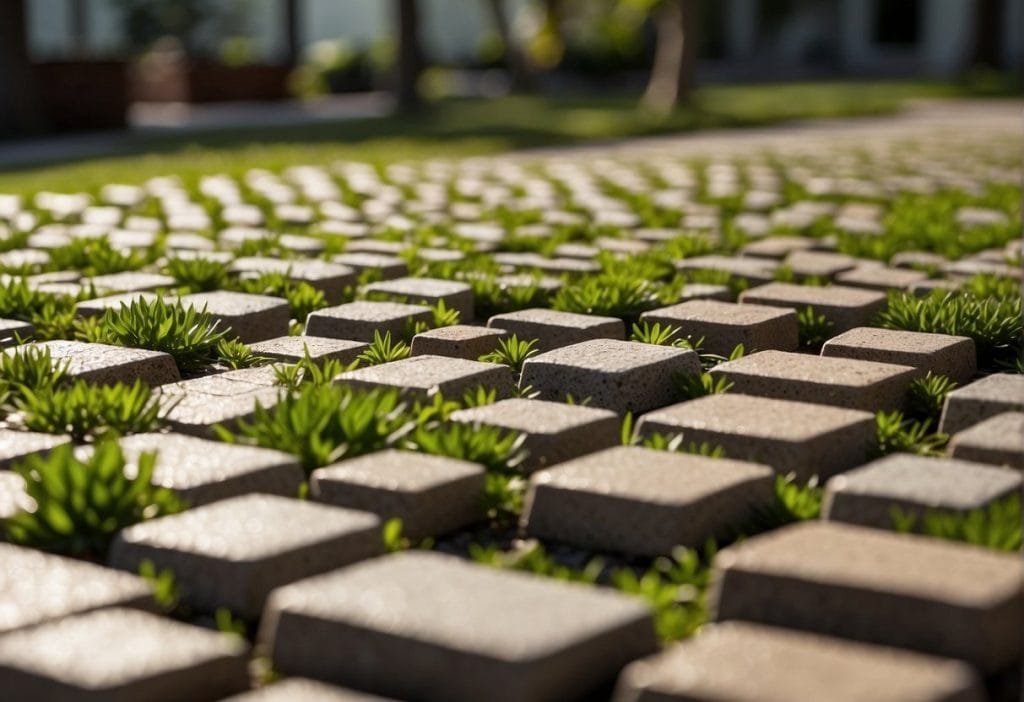
Permeable Pavers: These allow water to travel through porous material or spaces between pavers, guiding it to the earth or a sub-base.
Concrete Pavers: Typically non-porous, concrete pavers prevent water infiltration, causing water to flow off unless constructed with specific drainage systems.
Environmental Impact: pavers are appropriate for areas needing stormwater management and groundwater recharge, like urban spaces, patios, and parking lots.
Common use for patios, driveways, and pathways, concrete pavers give durability first priority.
Are Affordable Permeable Pavers?
Design, location, labor expenses, and project needs all affect the price of permeable paver. Although the first cost could be more than with conventional pavers, long-term benefits from lower stormwater management requirements and other incentives help to offset these expenses.
Installation Of Permeable Pavers
Installing permeable pavers is designing a mechanism for water absorption. Here’s a broad guideline even if the procedures might differ:
Check soil suitability via a percolation test; also, assess site slope and drainage pattern.
Remove the top soil to the necessary depth.
Compact the ground to produce a solid basis.
Lay the geotextile fabric in order to separate aggregate layers and stabilize the ground.
For water storage and infiltration, add a compact coarse aggregate in the base layer.
To provide pavers a level surface, apply a thin layer of finer aggregate over bed.
Starting your selected pattern, place pavers using spacers as necessary.
Fill voids with fine aggregate to encourage permeability.
Compaction: Joint material and pavers should be secured using a mechanical compaction.
Edge Restraints: Install restraints to prevent lateral movement.
Regular maintenance, such as checking for clogs and cleaning with a vacuum sweeper, ensures long-term performance.
Top Recommendations For Permeable Pavers
The best permeable pavers depend on your region, project application, and aesthetic preferences. Check with local suppliers or experts for tailored recommendations.
Final Thought
In the face of rapid urbanization, sustainable infrastructure is more important than ever. Permeable pavers address environmental challenges like stormwater runoff and flooding. Their unique design not only manages stormwater but also filters pollutants and replenishes groundwater. Urban planners and developers appreciate their flexibility and long-term cost-effectiveness. While the initial cost may be higher, their environmental and infrastructural benefits make permeable pavers a valuable investment.
Contact Us and Let's Start Together!
Reliable Hardscapes can transform your outdoor space into an attractive and functional setting. They are the best hardscape contractors in your area because of their expertise, comprehensive services, commitment to excellence, and excellent client service. Reliable Hardscapes will complete your project with professionalism and care, turning your backyard into a beautiful masterpiece. Contact us today!