
Polymeric sand in Florida: rain, haze and how it holds up
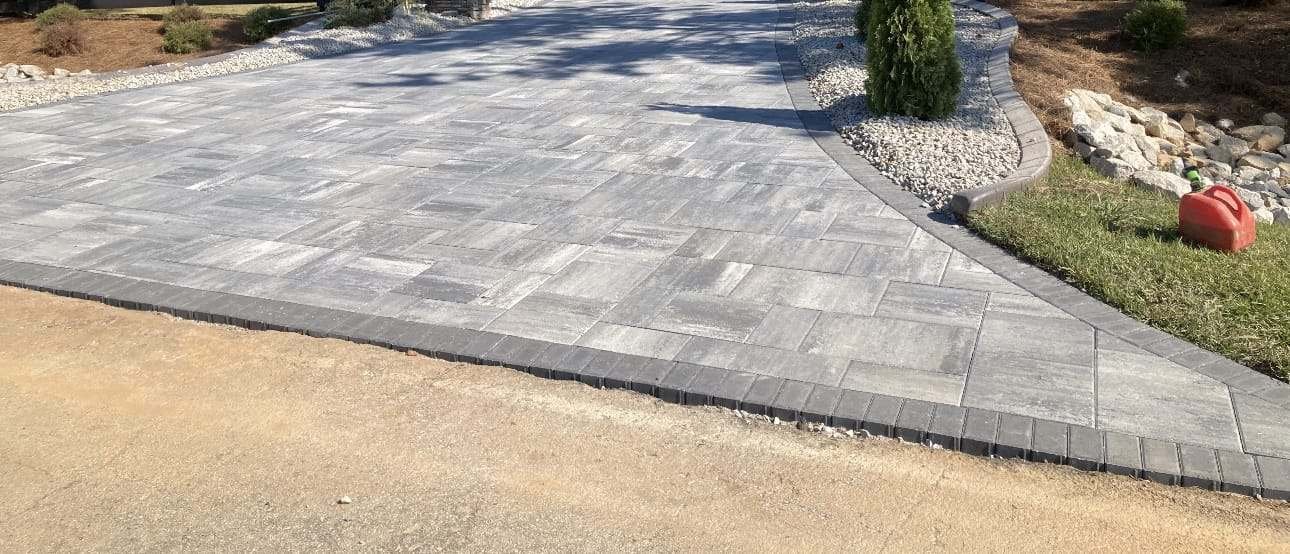
Polymeric sand is joint sand with binders mixed in. Once it’s swept into the joints and misted with water, it hardens into a firm joint that stays put in heavy rain and keeps out most weeds and ants. In Florida it works well, but only if it goes in on dry pavers and gets a dry window to set, which takes some planning in a Tampa Bay summer.
We fill the joints with polymeric sand on every paver install. Here is how it works, how it handles our weather, and what goes wrong when it’s rushed.
Polymeric sand vs regular sand
| Regular joint sand | Polymeric sand | |
|---|---|---|
| What it is | Plain fine sand | Sand plus binders that harden when wet |
| Heavy rain | Washes out of the joints over time | Stays in once cured |
| Weeds and ants | Easy for seeds to root and ants to dig | Much harder for both |
| Install | Sweep in, done | Needs dry pavers, careful cleanup and the right amount of water |
| Mistakes | Forgiving | Haze or soft joints if rushed |
| Cost | Lower | Higher, but a small part of the job |
On most Florida patios, driveways and pool decks, polymeric sand is worth it. Regular sand still has uses, such as very tight joints where a product isn’t rated, or areas you plan to lift and relay soon.
How polymeric sand works
The binders in the bag stay dry and loose until they get wet. After the sand is in the joints, a light mist of water activates the binders, and as the water dries, the sand hardens.
The cured joint is firm but not rigid. It can flex a little as the pavers move, which is what you want on Florida’s sandy soil. It doesn’t make up for a weak base, though. If the base settles, the joints crack and open with it. Our guide to paver base and why pavers sink covers that side.
Polymeric sand and Florida rain
Rain is the main challenge with polymeric sand in Tampa Bay. There are two moments when it matters:
Before installing. The pavers and the joints have to be dry. If the bedding sand or the joints are damp, the polymeric sand starts to set early, sticks to the surface and won’t fill the joint all the way down. After a night of rain, that can mean waiting.
After activating. Once the sand is misted, it needs time to set before a downpour. Products vary a lot here: some are rain-safe in minutes or hours, others need much longer. Read the bag, and check the forecast against it.
In summer, that usually means:
- Sand and activate early in the day, well before the afternoon storms build
- Watch the radar, not just the daily forecast
- Don’t start if rain is likely before the product’s rain-safe time
- In a long wet stretch, wait for a dry day rather than rushing
Florida humidity also slows curing. A joint that would harden in a day somewhere dry can take longer here, so give it time before heavy use or pressure washing.
How long does polymeric sand take to dry?
It depends on the product, the weather and how deep the joints are. Many products are ready for foot traffic in about a day and for cars in a couple of days. Humid, cloudy weather stretches that out.
On our jobs, we’ll tell you when your new patio or driveway is ready to use before we leave.
What causes polymeric sand haze
Haze is a thin, cloudy film on the paver surface. It’s the most common complaint with polymeric sand, and it’s nearly always avoidable. It happens when the binder dries on top of the pavers instead of in the joints.
The usual causes:
- Dust left on the surface. Fine polymeric dust left on the pavers bonds to them when it gets wet. The fix is to sweep, then blow the surface completely clean with a leaf blower before misting.
- Wet or damp pavers. The sand sticks to the surface instead of falling into the joints.
- Too much water. Flooding the surface floats binder out of the joints and spreads it across the pavers.
- Textured or porous surfaces. Tumbled pavers and stone hold dust in their texture, so they need extra cleanup.
Light haze sometimes fades with weather and traffic. Heavier haze needs a haze remover made for polymeric sand. Don’t confuse it with efflorescence, a white bloom that comes out of new concrete pavers on its own and usually fades over time.
Other ways polymeric sand fails
- Joints not filled all the way. The sand has to be swept in and vibrated down with a plate compactor, then topped up, so the joint is full. A shallow crust over a hollow joint breaks up.
- Too little water. Only the top sets, leaving loose sand underneath.
- Too much water. The binder washes out and the joint stays soft.
- Wrong product for the joint. Some products are made for tight paver joints, others for wide flagstone joints. Check the joint widths on the bag.
Weeds, ants and joint sand
Weeds and ants are a constant in Florida, and loose joint sand gives them an easy start. Full, hard joints leave little room for either. Polymeric sand won’t make a patio weed-free forever, though. Seeds can sprout in dirt and leaf litter that collect on top of the joints, so keep the surface swept and rinsed.
A joint-stabilizing sealer can add another layer of protection by binding the very top of the joint. See our paver sealer guide for when sealing makes sense on a new install.
Can you re-sand old pavers with polymeric sand?
Yes, if the pavers are still flat. The old sand has to be cleaned out of the joints to a good depth, the pavers have to be dry, and then new polymeric sand goes in the same way as on a new install.
If the pavers are sunken, rocking or holding water, re-sanding won’t fix it. That’s a base problem, and the real fix is lifting and rebuilding the area, or a new install.
Our approach
Every paver installation we build finishes the same way: an edge restraint around the outside, the surface compacted, and the joints filled with polymeric sand. It’s the last step of the job and the easiest one to rush, and most of the problems above come from rushing it. Done right, on a well-built base, it’s what keeps a new patio or driveway looking finished for years.
Frequently asked questions
What’s the difference between polymeric sand and regular sand?
Regular joint sand is just sand: cheap and easy, but it washes out in heavy rain and lets weeds and ants in. Polymeric sand has binders mixed in that harden when wet, so the joints stay full and firm while still flexing a little.
How long does polymeric sand take to dry?
It depends on the product, the temperature and the humidity. Many products are ready for foot traffic in about a day and for cars in a couple of days, but Florida humidity can slow that down. Always follow the bag.
What happens if it rains on polymeric sand?
If heavy rain hits before the sand has set, it can wash the binder out of the joints or onto the surface, leaving soft joints or a haze. Once it has cured, rain is fine; that’s the point of it.
How do you get rid of polymeric sand haze?
Light haze sometimes fades with weather and traffic. Heavier haze needs a cleaner made for polymeric haze, used as the label says. Test a small area first, especially on colored pavers or stone.
Does polymeric sand stop weeds and ants?
It cuts them down a lot, because full, hard joints leave little room for seeds and less loose sand for ants to move. It won’t stop weeds that land on dirt sitting on top of the joints, so keep the surface swept.
How long does polymeric sand last?
Several years in most cases, longer when it was installed right and the pavers are sealed with a joint-stabilizing sealer. When joints start to erode or go soft, they can be cleaned out and refilled.